


![Hightide Attache Letterpress Printed Memo Pad A5 [81.4gsm] - The Journal Shop](http://www.thejournalshop.com/cdn/shop/products/Untitleddesign-91_512x512.png?v=1668686176)

Eco Friendly Notebooks
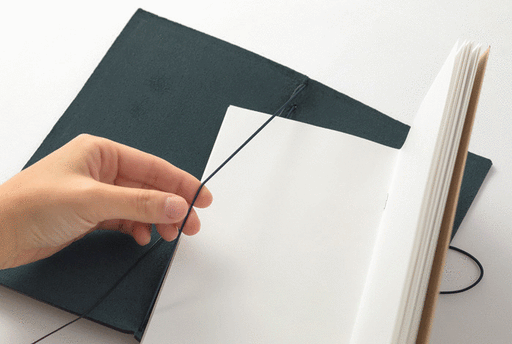
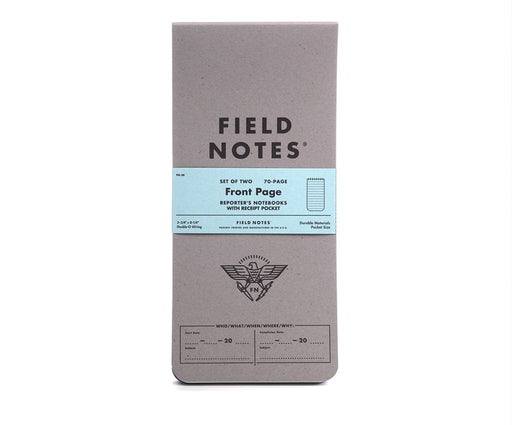
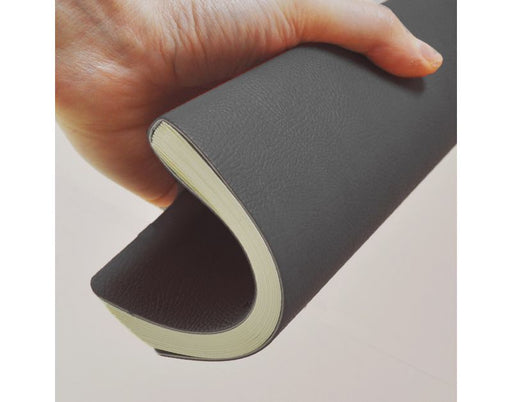
Embrace sustainability without compromising style with our Eco-friendly Notebooks collection at The Journal Shop. This curated selection features notebooks crafted from environmentally friendly materials, including recycled paper, responsibly sourced covers, and natural binding, ensuring your writing experience is both elegant and eco-conscious. With a range of designs, sizes, and formats, our Eco-friendly Notebooks collection offers versatile options to suit various preferences and purposes.
Choose a more sustainable approach to writing by selecting a notebook that aligns with your commitment to the environment. Explore our Eco-friendly Notebooks collection today and contribute to a greener, more mindful approach to stationery.


![CIAK Classic Notebook B7 [Lined, Plain] - The Journal Shop](http://www.thejournalshop.com/cdn/shop/products/8165CKC28-lined-notebook-classic-9x13-A_{width}x.jpg?v=1653580055)

![CIAK Classic Notebook B6 [Dots, Plain, Lined] - The Journal Shop](http://www.thejournalshop.com/cdn/shop/products/8174CKC37_{width}x.jpg?v=1653589774)


![VENT for Change Ideas Notebook [Pink] - The Journal Shop](http://www.thejournalshop.com/cdn/shop/products/015_sustainable_a5_sketchbook_-_pink_plain_-_front_{width}x.jpg?v=1652708229)


The Journal
The Best Japanese Fountain Pen Inks Available in the UK (2026)
Japanese ink makers approach fountain pen ink the way Japanese craftsmen approach everything: with an obsessive attention to quality, consistency, and aesthetic beauty. The best Japanese inks don't just write well — they behave beautifully in the pen, produce colours of extraordinary depth and character, and have names that are, in themselves, a small act of poetry.
Here are the best Japanese fountain pen inks available in the UK right now, from everyday workhorses to bottles you'll open slowly and savour.
Pilot Iroshizuku
The most celebrated fountain pen ink range in the world. Pilot's Iroshizuku collection — "iroshizuku" translates roughly as "glistening drops of colour" — comprises 24 inks, each named after a Japanese landscape, natural phenomenon, or cultural image. Tsuki-yo (moonlit night) is a teal-green with extraordinary depth. Kon-peki (cerulean sky) is a vivid blue that makes every nib it touches look better. Yama-budo (wild grape) is a deep wine-red that sheens green.
Every Iroshizuku ink is well-behaved in the pen: it flows easily, dries without fuss, and cleans out without drama. They're not just beautiful — they're practical. This combination of everyday reliability and exceptional aesthetics is why Iroshizuku is the standard by which other inks are measured.
The 50ml bottles are beautifully designed and worth owning for their own sake.
Start with: Tsuki-yo (teal), Kon-peki (blue), or Yama-budo (wine-red) depending on your colour preference.
Sailor Shikiori
Sailor's Shikiori collection — "shikiori" means "four seasons weaving" — are seasonal inks that capture the colours of Japanese nature across the year. Spring sakura pinks, summer deep blues, autumn russet-reds, winter pale greys. They're inks that make you feel something when you look at the bottle name before you've even opened it.
Sailor inks are renowned for their exceptional quality and consistency. The Shikiori inks produce beautiful shading — the variation between light and dark on a single stroke — and several exhibit subtle sheening on high-quality paper like Tomoe River or MD Paper.
Start with: Yodaki (a deep autumn teal) or Ama-iro (a serene sky blue), depending on season.
Kyoto Ink (Kyo No Oto)
The Kyo No Oto range captures the traditional colours of Kyoto — the old capital, where Japan's most refined aesthetics were developed over centuries. These are inks named for cultural concepts: Ruri-iro (lapis lazuli colour), Moegi-iro (fresh green), Sakuranezumi (cherry blossom grey). Each one is a story.
The inks themselves are beautifully saturated, shade well on quality paper, and feel appropriately considered — like something designed to be used slowly and deliberately.
Start with: Ruri-iro (a deep blue with purple undertones) or Moegi-iro (a fresh spring green).
Sailor Ink Studio
If Shikiori is Sailor's poetry collection, Ink Studio is their laboratory. Over 100 colours, each numbered rather than named, ranging from straightforward blues and blacks to extraordinary sheening purple-golds and shimmering blue-greens. Ink Studio is for the collector who wants options — or for the writer who has found, through Iroshizuku and Shikiori, that they have a taste for ink hunting.
Many Ink Studio colours exhibit strong sheening and shading on Tomoe River paper. They are not everyday inks — they reward quality paper and intentional use.
A Note on Using Japanese Inks
Japanese inks are generally well-behaved and pen-safe. They clean out easily and don't stain pens. For best results, use them on quality paper — Tomoe River, MD Paper, or LIFE Noble — where their shading and sheening properties can shine. On cheaper papers, many of their most beautiful qualities simply don't appear.
If you're new to fountain pen ink and want to see what all the fuss is about, start with a bottle of Iroshizuku in a colour that appeals to you. Use it in whatever pen you have. Write on whatever paper you have. Then get a Hobonichi Techo or a sheet of fountain pen friendly paper and try it again. The difference will be immediately obvious.
Browse our full range of fountain pen inks and Japanese stationery at The Journal Shop — UK stock, free delivery over £35. See also our Japanese stationery brands guide.
Frequently Asked Questions
What is the most popular Japanese fountain pen ink?
Pilot Iroshizuku is the most widely celebrated Japanese fountain pen ink range. Tsuki-yo (moonlit night teal) is consistently one of the most popular individual inks in the world.
Do Japanese inks work in any fountain pen?
Yes. Japanese fountain pen inks are generally well-behaved and work in any fountain pen. They're water-based, pen-safe, and clean out easily. Iroshizuku in particular is known for its excellent flow properties across all pen types.
What paper shows Japanese fountain pen inks best?
Tomoe River paper (used in Hobonichi notebooks) and MD Paper (used in Midori MD notebooks) show Japanese inks at their best — producing shading, sheening, and colour depth that faster-absorbing papers don't allow.
Are Sailor inks better than Pilot inks?
Both are exceptional and serve different purposes. Pilot Iroshizuku is more practical for everyday use — excellent flow, reliable dry times, easy to clean. Sailor inks (especially Ink Studio) tend to produce more dramatic shading and sheening effects but may be slightly less forgiving in some pens. Many fountain pen users keep both.
What Is Tomoe River Paper? The Complete Guide
If you spend any time in fountain pen communities, you'll encounter Tomoe River paper constantly. People are devoted to it. They seek it out specifically. They buy notebooks precisely because they use it. What is it about one type of paper that inspires such loyalty?
This is the complete guide to Tomoe River paper — what it is, why fountain pen users love it, what its limitations are, and where to buy it in the UK.
What Is Tomoe River Paper?
Tomoe River (巴川製紙所, Tomoe River Paper Co.) is a specialist paper manufacturer based in Shizuoka, Japan. They produce an ultra-thin, ultra-smooth writing paper that has become the most celebrated fountain pen paper in the world.
The defining characteristic is its weight: 52gsm. This is extraordinarily light — roughly half the weight of standard 90gsm notebook paper. Yet despite this, it is remarkably durable and shows minimal bleed-through even with very wet fountain pen inks.
Why Do Fountain Pen Users Love It?
Two reasons: performance and experience.
Performance: Tomoe River absorbs ink slowly, which means ink sits on the surface longer before being absorbed. This produces exceptional colour saturation — inks look deeper, richer, more vivid than on faster-absorbing papers. It also allows ink to shade (show variation between thin and thick strokes), sheen (produce a metallic shimmer as light catches dried ink), and shimmer (show glitter particles in specialty inks) — properties that simply don't appear on thicker, faster-absorbing papers.
Experience: Writing on Tomoe River is unlike writing on any other paper. Fountain pen nibs glide across its surface with almost no resistance — what pen people call "feedback." It's smooth in a way that feels almost uncanny when you first experience it.
The Trade-offs
Tomoe River is not perfect for everyone. Its slow absorption means slow dry times — wet inks can smear if your hand drags across the page while writing. Left-handed writers often struggle with it for this reason. Broad, wet nibs also increase smear risk.
Ghosting — where ink shows faintly on the reverse of the page — can also appear with heavy inks, though full bleed-through is rare. The 2026 Hobonichi editions use updated Tomoe River paper that has improved on earlier ghosting issues.
Where Do You Find Tomoe River Paper?
Tomoe River paper is used in several products available in the UK:
Hobonichi Techo planners — all formats use Tomoe River paper. The most widely available Tomoe River product in the UK.
Yamamoto Paper notebooks — Yamamoto Paper is a specialist paper brand that produces several products using Tomoe River paper, including the RO-BIKI NOTE series. Available at The Journal Shop.
Loose Tomoe River sheets — available in packs of A4 and A5 sheets for those who want to try the paper before committing to a notebook. An excellent way to test it with your inks and pens.
Tomoe River vs MD Paper
The most common comparison. Midori MD Paper is thicker (70–80gsm), cream-toned, and absorbs ink faster. It produces excellent writing results with less smearing and ghosting — a more forgiving paper for everyday use. Tomoe River produces more dramatic ink effects but demands more patience.
For daily writing: MD Paper. For experiencing what your inks can really do: Tomoe River.
Tomoe River vs Life Noble Paper
LIFE Noble paper sits between Tomoe River and standard notebook paper in weight and absorbency. It's exceptionally smooth, produces excellent ink saturation, and has faster dry times than Tomoe River. Many serious fountain pen users prefer it for everyday journaling precisely because it's less demanding. A worthy alternative if Tomoe River's dry times frustrate you.
Should You Try Tomoe River Paper?
If you use a fountain pen, yes — unambiguously yes. Even if you decide it's not your everyday paper, experiencing what your inks look like on Tomoe River at least once is worth it. You will see colours, shading, and sheening you didn't know your inks were capable of.
Start with a Hobonichi Techo or a pack of loose Tomoe River sheets. Write in it with the ink you use most. You'll understand immediately why people make such a fuss about it.
Browse our full Japanese stationery collection and our fountain pen friendly notebooks. For a full guide to Japanese stationery brands, see our complete brands overview.
Frequently Asked Questions
Is Tomoe River paper good for ballpoint pens?
Adequate but not ideal. Tomoe River is optimised for fountain pens and fine liquid inks. Ballpoints and rollerballs work fine but won't show the shading and sheen effects the paper is known for. For ballpoint writing, MD Paper or LIFE Noble are better choices.
Why does Tomoe River paper take so long to dry?
Because it absorbs ink slowly — the property that produces its exceptional colour saturation and ink effects. The trade-off is dry time. Using a drier ink, a finer nib, or writing more slowly reduces smearing.
Has Tomoe River paper changed in recent years?
Yes. The original manufacturer updated their formula in recent years, and some products (including the 2026 Hobonichi) use a slightly revised version. The 2026 paper addresses ghosting concerns from earlier editions while maintaining the characteristic smoothness and ink performance.
Where can I buy Tomoe River paper in the UK?
The Journal Shop stocks Hobonichi Techo planners and Yamamoto Paper notebooks using Tomoe River paper, all held in UK stock with free delivery over £35.
Traveler's Notebook vs Hobonichi: Which Is Right for You?
They are the two most celebrated Japanese notebook systems in the world, and the question comes up constantly: Traveler's Notebook or Hobonichi? Both have cult followings. Both are made with exceptional care. Both will cost you more than a Moleskine and reward you in ways a Moleskine never could.
But they are fundamentally different objects that suit fundamentally different people. This guide will tell you which one is actually right for you.
For context: we were the first shop in the UK to stock the Midori Traveler's Notebook, and the first in Europe to stock Hobonichi. We've spent years watching how different people use both.
The Core Difference
The Hobonichi Techo is a planner. It has a fixed structure — one day per page — and you use it by filling that structure. You adapt to the Techo.
The Traveler's Notebook is a system. It is a leather cover with an elastic band, and you fill it with whatever refill inserts you choose — blank, lined, grid, calendar, watercolour. The Traveler's Notebook adapts to you.
That single distinction will answer the question for most people.
The Traveler's Notebook
Created by Midori in 2006 (now made under the Traveler's Company name), the Traveler's Notebook is one of the most copied concepts in stationery. A slim leather cover, aged by use, holds refill notebooks secured by elastic bands. You can carry one refill or four. You can mix a blank notebook with a calendar and a pocket insert. You configure it as your life changes.
The leather cover ages beautifully — brass fasteners patinate, leather develops character — and many users have had the same cover for a decade or more. The refills are inexpensive. The system evolves with you.
It comes in two sizes: Regular (roughly A5 wide) and Passport (smaller, fits in a shirt pocket).
The Traveler's Notebook suits you if:
- You want a system you can configure and reconfigure
- You use your notebook for multiple purposes (journaling, sketching, notes, travel)
- You love the idea of an object that ages with you
- You're a collector — the limited edition covers and accessories are endlessly covetable
- You don't need or want a fixed daily planner structure
The Hobonichi Techo
The Hobonichi Techo is a Japanese planner printed on Tomoe River paper — thin, smooth, and extraordinarily fountain pen friendly. It has a fixed structure: one day per page. You use it every day, or you feel the blank pages accuse you.
It comes in several formats (Original A6, Cousin A5, Weeks, Avec), each with an interchangeable cover system that renews every year with new artist collaborations. The paper is the star: ink shades and sheens in ways that thicker papers don't allow.
The Hobonichi suits you if:
- You want a daily planner with consistent structure
- You use a fountain pen and want paper that shows your inks at their best
- You journal daily or close to it
- You like the ritual of a fixed format
- You enjoy the annual refresh of new cover designs
Paper Comparison
Traveler's Notebook refills use MD Paper — a cream-toned, 70–80gsm paper developed by Midori specifically for writing. It's smooth, fountain pen friendly, and more forgiving with dry times than Tomoe River. It's excellent paper for everyday use.
Hobonichi Techo uses Tomoe River paper at 52gsm — thinner, slower to absorb, producing exceptional ink saturation and shading. For serious fountain pen users who want to see their inks perform, Tomoe River is the better paper. For everyone else, MD Paper is arguably more practical.
Price Comparison
A Traveler's Notebook cover costs around £50–65 and lasts indefinitely. Refills cost around £5–10 each. You build the cost over time as you buy refills, but the cover is a one-time purchase.
A Hobonichi Techo Original costs around £25–30 per year. Covers are optional but typically cost £25–80+. Unlike the Traveler's Notebook cover, you buy a new Techo body each year (though many users keep their cover for years).
Over time, costs are comparable — but the Traveler's Notebook spreads the investment differently.
Can You Have Both?
Many people do. The most common combination: a Hobonichi Techo as a daily planner/journal, and a Traveler's Notebook as a more open-ended creative notebook or travel companion. They serve different enough purposes that they don't compete — they complement.
Our Recommendation
Start with the Hobonichi if you want a daily planner habit. Start with the Traveler's Notebook if you want a notebook system that adapts to your life. If you're still unsure, buy a pack of MD Paper refills and a Traveler's Notebook — the lower entry cost of starting with a Passport makes it an easier first step than committing to a full Techo year.
Browse our Hobonichi collection and Traveler's Notebook collection, or explore all our Japanese stationery. For a wider overview of both brands, see our Japanese stationery brands guide.
Frequently Asked Questions
Is Traveler's Notebook good for fountain pens?
Yes. The standard refills use MD Paper, which is smooth, cream-toned, and performs well with fountain pens. Bleed-through is minimal with most inks and nib sizes.
Which is better for travel — Traveler's Notebook or Hobonichi?
The Traveler's Notebook, by design. The ability to add a pocket insert, a calendar, and a blank notebook in one cover makes it ideal for travel. The Passport size fits in a shirt pocket. The Hobonichi Weeks is also travel-friendly if you prefer a structured planner format.
Can I start a Hobonichi mid-year?
Yes — the Avec format splits the year into two half-year volumes, available separately. You can also start a full-year Techo at any point and simply begin on the current date.
Do Traveler's Notebook refills work with fountain pens?
Yes. MD Paper handles fountain pens well across most nib sizes. Very wet broad nibs may show light ghosting on the reverse, but bleed-through is rare.


